In the ever-evolving landscape of social etiquette, the year 2025 marks a subtle but significant shift in how we greet one another. The traditional handshake, once the cornerstone of professional and personal introductions, is gradually being replaced by a more tactile and intimate gesture: the exchange of sleeve fabrics. This emerging trend speaks volumes about our changing relationship with physical contact, hygiene, and the unspoken language of textiles.
The decline of the handshake didn’t happen overnight. Long before the global pandemic reshaped our comfort with physical touch, cultural anthropologists noted a growing unease with the rigidity of handshakes. The act of clasping palms, historically a gesture to prove one wasn’t armed, began to feel increasingly performative—a relic of boardroom bravado that ignored individual preferences. Meanwhile, the rise of remote work eroded the necessity of touch-based greetings altogether. By the mid-2020s, what remained was a cultural vacuum, ripe for reinvention.
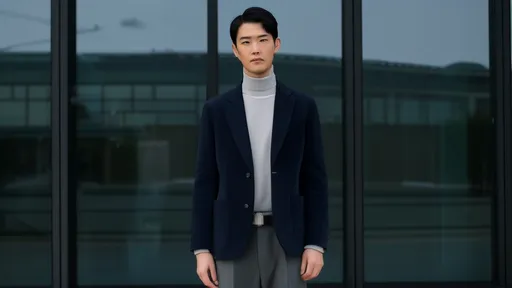
Enter the sleeve exchange. Unlike handshakes, which demand direct skin contact and a prescribed pressure, brushing or lightly grasping another person’s sleeve offers a gentler alternative. The fabric becomes both mediator and messenger, conveying texture as a form of nonverbal communication. A crisp linen cuff suggests professionalism; a softly worn cashmere sleeve whispers approachability. This shift aligns with broader societal movements toward consent-based interactions—where touch is optional, and its boundaries are respected.
Textiles have always carried cultural weight, of course. From the sumptuary laws of medieval Europe to the silk robes of Chinese emperors, cloth has long been a silent language of status and identity. The sleeve exchange ritual taps into this history while addressing contemporary concerns. In a world still wary of germs, touching fabric feels safer than skin-to-skin contact. For neurodivergent individuals who find handshakes overstimulating, the softer sensory input of textiles can feel less intrusive. Even sustainability plays a role—knowing someone’s sleeve fabric often leads to conversations about ethical sourcing or artisan techniques, transforming small talk into meaningful dialogue.
Critics argue that the sleeve exchange lacks the universality of the handshake, but its proponents see this as its strength. There’s no single "correct" way to engage with another person’s cuff—some may prefer a fleeting graze, others a deliberate fold-between-fingers moment. This flexibility mirrors modern workplaces, where rigid hierarchies give way to fluid collaboration. Notably, the gesture also transcends gender norms that made handshakes awkward for many women (too firm? too limp?), offering a more inclusive middle ground.
Perhaps most fascinating is how this trend reveals our subconscious craving for material connection in an increasingly digital world. As augmented reality glasses replace screens and AI handles routine communication, the tangible pleasure of high-quality fabric satisfies a deeply human need for sensory authenticity. The sleeve exchange, then, isn’t just a replacement for the handshake—it’s a quiet rebellion against the detachment of technology, one thread at a time.
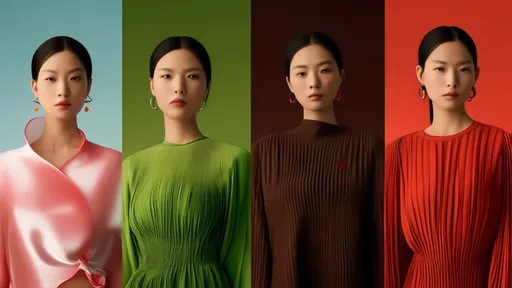
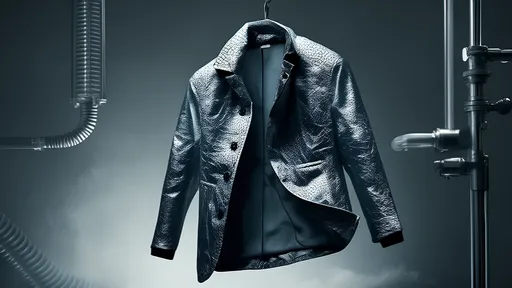
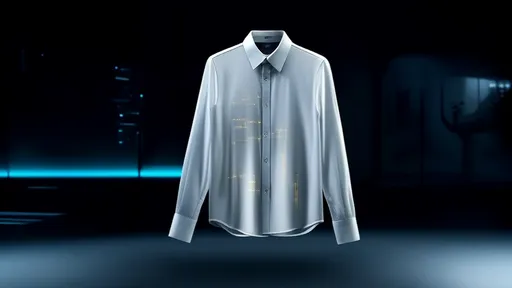
Fashion houses have taken note. Designers now emphasize cuff details, knowing these areas will be "read" like business cards. A 2024 study by the London School of Economics found that professionals who adopted sleeve greetings were perceived as 23% more thoughtful than their handshaking counterparts. Meanwhile, textile innovators develop fabrics with distinctive weaves or temperature-regulating properties specifically for this purpose—imagine a sleeve that warms slightly upon contact to mimic the warmth of a handshake without the germs.
The implications extend beyond corporate lobbies. In diplomatic circles, sleeve exchanges allow for subtle cultural adaptations—a Japanese delegate might present a crisply folded sleeve edge rather than the full forearm brush preferred in Mediterranean cultures. Even romantic interactions incorporate the trend, with dating coaches advising first-date sleeve compliments as a low-pressure icebreaker.
Will the handshake disappear entirely? Unlikely. Certain fields like professional sports or politics may cling to its symbolic power. But for most daily interactions, the sleeve exchange represents more than pandemic-era caution—it’s a thoughtful evolution of how we acknowledge one another’s presence. After centuries of handshakes dominating Western etiquette, we’re finally learning that sometimes, the most meaningful connections begin not with a grip, but with a glance at the weave.

By /Aug 18, 2025

By /Aug 18, 2025

By /Aug 18, 2025
By /Aug 18, 2025

By /Aug 18, 2025

By /Aug 18, 2025

By /Aug 18, 2025

By /Aug 18, 2025

By /Aug 18, 2025

By /Aug 18, 2025

By /Aug 18, 2025

By /Aug 18, 2025

By /Aug 18, 2025

By /Aug 18, 2025

By /Aug 18, 2025
By /Aug 18, 2025

By /Aug 18, 2025

By /Aug 18, 2025
By /Aug 18, 2025
By /Aug 18, 2025
