Fashion Time Bank: A New Model for Storing Style Inspirations and Exchanging for Physical Items

Aug 18, 2025 By

In an era where fast fashion dominates and personal style often feels disposable, a revolutionary new concept is emerging in the fashion world: the Time Bank for Fashion. This innovative model allows fashion enthusiasts to "deposit" their styling ideas and creative outfit combinations, earning credits that can later be redeemed for actual clothing items. It's a system that values creativity as currency and rewards sartorial imagination.


The concept first emerged in Berlin's underground fashion scene before gaining traction in Tokyo and New York. At its core, the Time Bank for Fashion operates on a simple but powerful principle: every original outfit idea or styling hack has tangible value. Participants upload photos or detailed descriptions of their unique fashion combinations to a digital platform, where other members can browse, like, and even "purchase" these ideas using the platform's proprietary currency.


How exactly does this fashion time banking work? For every approved submission - whether it's an unexpected color pairing, a novel way to tie a scarf, or a completely reinvented use for a basic wardrobe staple - users earn time credits. These credits accumulate and can eventually be exchanged for physical garments from partner brands or from other community members. The more creative and useful the submission, the higher its valuation in the system.


What makes this model particularly intriguing is its democratization of fashion influence. Unlike traditional social media platforms where influence often correlates with follower count or aesthetic perfection, the Time Bank system assigns value based purely on the originality and practicality of the style idea. A teenager in Seoul might earn more credits for her innovative school uniform hacks than a professional stylist posting predictable red carpet looks.


The environmental implications of this system are significant. By encouraging people to think creatively about maximizing their existing wardrobes rather than constantly purchasing new items, the Time Bank model promotes sustainable fashion consumption. Many participants report buying fewer clothes since joining, instead focusing on discovering new ways to wear what they already own. Some dedicated members have gone entire seasons without new purchases, funding their occasional wardrobe additions entirely through their styling idea submissions.


Partner brands have embraced the concept with surprising enthusiasm. Several sustainable fashion labels now accept time credits as partial or even full payment for their merchandise. These companies recognize the marketing value of being associated with creative fashion thinkers while also gaining access to a treasure trove of user-generated styling content. Some forward-thinking retailers are using the most popular outfit combinations from the Time Bank as inspiration for their next collections.


The community aspect of the Time Bank has proven equally valuable. Members frequently form styling teams, combining their credits to "purchase" higher-end pieces they couldn't afford individually, then sharing the items through an integrated clothing swap system. This collaborative approach to fashion ownership challenges traditional retail models and creates unexpected social connections across demographics and geographies.


Critics initially dismissed the concept as another gimmicky loyalty program, but the depth of engagement tells a different story. Average users spend 47 minutes daily on the platform - far exceeding time spent on traditional fashion apps. The most active members have completely transformed their relationship with clothing, treating their wardrobes as dynamic creative projects rather than static collections.


As the Time Bank for Fashion expands globally, cultural differences in styling approaches have become fascinating to observe. Scandinavian members tend to excel at minimalist layering techniques, while Southeast Asian participants dominate in vibrant pattern mixing. The platform's translation features allow these regional specialties to cross-pollinate, creating exciting hybrid styles that might never have emerged otherwise.


The economic model continues to evolve as well. Some entrepreneurial users have turned their Time Bank accounts into legitimate side hustles, systematically analyzing trending looks and creating targeted styling solutions. A handful of top contributors now earn enough credits to completely sustain their fashion needs without spending actual money on clothing - a modern twist on the age-old barter system.


Perhaps most surprisingly, the Time Bank concept is beginning to influence high fashion. Several luxury houses have begun monitoring the platform for emerging styling trends, and at least one major brand has hired a Time Bank power user as a consultant. This blurring of boundaries between professional and amateur fashion expertise represents a seismic shift in how the industry identifies talent and spots trends.


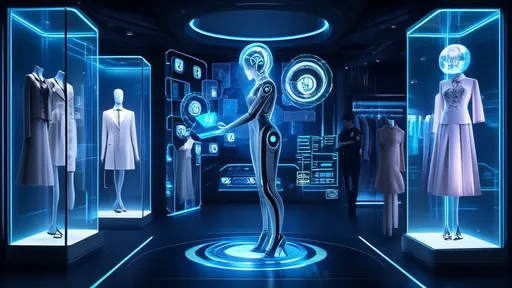
Looking ahead, the Time Bank for Fashion team is experimenting with augmented reality features that would allow users to virtually "try on" submitted outfit combinations using their own clothing items. They're also developing AI tools to help members identify potential new combinations from their existing wardrobes based on popular Time Bank formulas. However, the human element remains central to the platform's appeal - no algorithm can replicate the quirky, personal touches that make user-submitted styles so compelling.


For fashion lovers feeling overwhelmed by consumption pressures or creatively stuck in styling ruts, the Time Bank offers an appealing alternative. It rewards thoughtful engagement with clothing over mindless purchasing, values creativity as much as currency, and proves that sometimes the most valuable fashion resource isn't money - it's imagination. As one longtime member put it: "I used to open my closet and see limitations. Now I see possibilities."


The success of this model raises intriguing questions about how we value creativity in other domains. If fashion ideas can function as currency, what other forms of everyday innovation might we be overlooking? For now, the Time Bank for Fashion stands as a compelling experiment in alternative economies - one that just might change how we think about getting dressed every morning.


Recommend Posts
Style

Unisex Locker Rooms Inspire Transformative Clothing": 72 Ways to Wear One Outfit

By /Aug 18, 2025

The fashion industry is undergoing a quiet revolution as gender-neutral dressing rooms inspire a wave of "transformative garments" – clothing designed to morph between multiple styles, fits, and silhouettes. What began as a practical solution for inclusive retail spaces has blossomed into a design movement challenging traditional notions of how clothing should function. These chameleon-like pieces don’t just blur gender lines; they obliterate the very idea that garments must have fixed forms or singular purposes.
Style

Mood Visualization Suit: A互助 Dress That Changes Color Based on Brainwaves for Depression Support

By /Aug 18, 2025

In a groundbreaking fusion of fashion and neurotechnology, a team of designers and neuroscientists has unveiled an innovative garment designed to support individuals living with depression. The "Mood Visualizing Dress" is a wearable piece of technology that changes color based on the wearer's brainwave activity, offering a unique form of emotional expression and interpersonal connection.
Style

How Does Your Body Odor Determine Custom Perfume Formulas?

By /Aug 18, 2025

In the evolving world of personalized fragrance, a groundbreaking approach is emerging that goes beyond traditional scent profiling. The concept of olfactory identity authentication – using your unique body odor as the foundation for bespoke perfumery – is rewriting the rules of customization. This intimate interplay between biology and artistry creates fragrances that don't just smell pleasant, but smell unmistakably like you.
Style

Synesthesia-Inspired Art: Wearing the Flavors of Sweet, Sour, Bitter, and Spicy

By /Aug 18, 2025

In a world where sensory experiences often remain distinct, a growing community of synesthetes is blurring the lines between taste and vision. These individuals—known as taste-visual synesthetes—experience flavors as colors, textures, and even patterns. For them, the tang of lemon isn’t just sour; it might manifest as a burst of vibrant yellow or a jagged, electric shape. This unique neurological phenomenon has inspired an avant-garde movement in fashion: wearable art that translates the essence of sweet, sour, bitter, and spicy into tangible, visual designs.
Style

Load-bearing Fashion: Why Parisian It Girls Are Wearing Gravity Calculators?"

By /Aug 18, 2025

In the labyrinth of Parisian fashion, where trends are born and reborn with the changing seasons, a curious new accessory has begun to surface on the wrists of the city’s most influential it girls. No, it’s not another minimalist bracelet or a vintage watch—it’s a gravity calculator. At first glance, the device seems more at home in a physics lab than on the arm of a style icon, yet its sudden prominence speaks volumes about the evolving relationship between fashion, functionality, and the unspoken rules of dressing.
Style

The 'Skin as Fashion' Movement: A Social Experiment Report on 2025 Bare-Skin Travelers"

By /Aug 18, 2025

The morning rush hour in downtown Manhattan looked strikingly different on June 1st, 2025. As office workers emerged from subway stations and taxis, something was missing - the usual sea of business suits, dresses, and casual wear had been replaced by bare skin. This marked the launch of the controversial "Skin as Garment" movement's most ambitious social experiment to date.
Style

Grandmother's Wardrobe Archaeology: How to Authenticate Vintage Items Using Carbon-14 Dating"

By /Aug 18, 2025

The musty scent of mothballs and the whisper of silk against satin – opening a grandmother's wardrobe feels like cracking open a time capsule. For vintage fashion collectors and historians alike, determining whether that Chanel bouclé jacket is a 1960s treasure or a clever replica has long relied on subjective expertise. But what if science could settle the debate? Carbon-14 dating, a technique typically reserved for archaeological artifacts, is now being deployed as the ultimate authentication tool for mid-century couture.
Style

Edible Fashion: Milan Runway Models Eat Sugar Glass Coats While Walking

By /Aug 18, 2025

The Milan Fashion Week runway has always been a stage for the avant-garde, but this season, it served up something even more unexpected—edible fashion. Among the most talked-about pieces was a stunning sugar glass coat, worn by models who casually nibbled on it as they strutted down the catwalk. The audacious creation blurred the lines between fashion and food, leaving audiences both bewildered and captivated.
Style

The Vanishing Color: The Most Expensive Item in 2025 Is This Pure White, Undyed Linen Robe

By /Aug 18, 2025

In the ever-evolving landscape of fashion, where trends come and go with the seasons, a surprising contender has emerged as the most coveted item of 2025: the undyed, pure white linen robe. This seemingly simple garment has captured the imagination of designers, influencers, and consumers alike, becoming a symbol of both luxury and sustainability in an industry often criticized for its excesses.
Style

Fashion Time Bank: A New Model for Storing Style Inspirations and Exchanging for Physical Items

By /Aug 18, 2025

In an era where fast fashion dominates and personal style often feels disposable, a revolutionary new concept is emerging in the fashion world: the Time Bank for Fashion. This innovative model allows fashion enthusiasts to "deposit" their styling ideas and creative outfit combinations, earning credits that can later be redeemed for actual clothing items. It's a system that values creativity as currency and rewards sartorial imagination.
Style

The Instant Fashion" Paradox: The Philosophy Behind the 24-Hour Degradable Dress

By /Aug 18, 2025

The fashion industry stands at a peculiar crossroads where sustainability collides with our insatiable appetite for novelty. Enter the 24-hour degradable dress - a garment designed to literally disappear after one day's wear. This radical concept embodies what scholars are calling the "instant fashion" paradox, where ephemerality becomes both the problem and proposed solution to fashion's environmental crisis.
Style

Aural Fashion: Defining Personal Style with Fabric Friction Sounds in Japan"

By /Aug 18, 2025

In the bustling streets of Tokyo’s Harajuku district, a new frontier of self-expression is emerging—one that doesn’t rely on bold visuals or striking silhouettes but instead hinges on something far more subtle: sound. A growing subculture of Japanese fashion enthusiasts is redefining personal style through what they call "auditory fashion," where the rustle of fabric, the crunch of textures, and even the rhythmic swish of clothing become as integral to an outfit as its color or cut. This movement isn’t just about aesthetics; it’s a sensory revolution, blending fashion, technology, and an almost meditative attention to the sounds we make as we move through the world.
Style

Fashion Pioneers with Disabilities: How Wearable Prosthetics Become New Accessories on Haute Couture Runways?

By /Aug 18, 2025

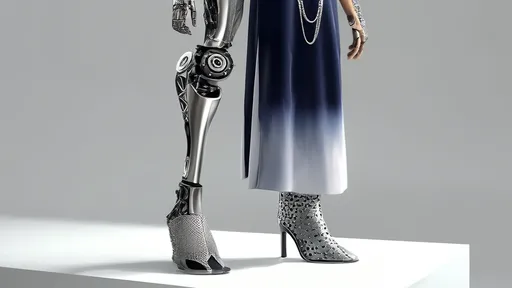
The world of high fashion has always been a realm of boundless creativity, where designers push the limits of aesthetics and functionality. In recent years, a revolutionary trend has emerged on the runways: wearable prosthetics as haute couture accessories. No longer confined to the realm of medical necessity, prosthetic limbs are being reimagined as bold fashion statements, challenging societal norms and redefining beauty standards.
Style

Tactile Social Etiquette: Why Saying 'Exchange Cuff Fabrics' Instead of Handshakes by 2025?

By /Aug 18, 2025

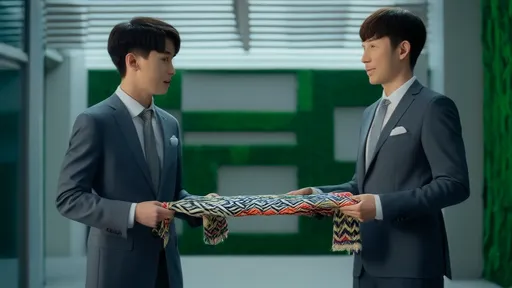
In the ever-evolving landscape of social etiquette, the year 2025 marks a subtle but significant shift in how we greet one another. The traditional handshake, once the cornerstone of professional and personal introductions, is gradually being replaced by a more tactile and intimate gesture: the exchange of sleeve fabrics. This emerging trend speaks volumes about our changing relationship with physical contact, hygiene, and the unspoken language of textiles.
Style

Retrofuturism Revisited: Replicating 1950s Tailoring with 22nd Century Predictive Technology

By /Aug 18, 2025

The concept of retro-futurism has always been a fascinating intersection of nostalgia and forward-thinking design. But what happens when we apply 22nd-century predictive technology to recreate the iconic tailoring of the 1950s? This bold experiment in fashion archaeology is not just about revisiting the past—it’s about reimagining it through the lens of tomorrow’s tools.
Style

Slow Fashion" Movement: A Memory Metal Coat That Takes Three Months to Transform

By /Aug 18, 2025

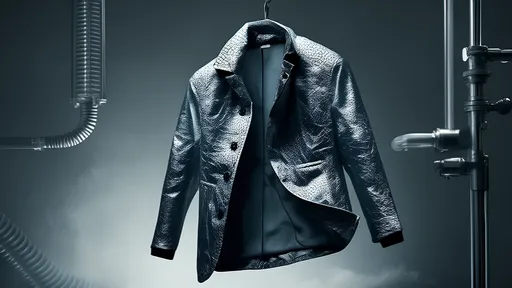
In an era where instant gratification dominates consumer culture, a team of material scientists and fashion designers has unveiled a radical concept that challenges our very perception of time and technology. Dubbed the "Slow Morph" movement, their groundbreaking memory metal jacket requires a full three months to complete its transformation, creating what may be the world's first garment that evolves at the speed of biological growth rather than digital immediacy.
Style

Senior Model Alliance Manifesto: Why Did Balenciaga AW25 Feature Models Over 80 Years Old?

By /Aug 18, 2025

The fashion world stood still when Balenciaga unveiled its Autumn/Winter 2025 collection with a radical casting choice: an entire runway show featuring models aged 80 and above. This wasn't merely a token inclusion of one or two silver-haired models—it was a full-scale embrace of octogenarian beauty, executed with the same precision and audacity that has defined the house since Demna took the reins. The move sent shockwaves through an industry still clinging to youth-centric ideals, but for those familiar with the Senior Models Union's manifesto, it felt less like a provocation and more like an inevitability.
Style

Period Red" Campaign: Blood-Colored Dresses Take Over Four Major Fashion Weeks

By /Aug 18, 2025

The fashion world has long been a stage for social commentary, but few movements have bled into the industry as vividly as the recent "Period Red" revolution. What began as a grassroots campaign to destigmatize menstruation has now strutted onto the runways of all four major fashion weeks, leaving a trail of crimson silk and satin in its wake.
Style

The Era of Air Fiber: A 0.3g Shirt Priced at $3000

By /Aug 18, 2025

In an era where fashion intersects with cutting-edge technology, a groundbreaking innovation has emerged that challenges conventional notions of textile design. The Air Fiber Era has arrived, and its latest marvel—a shirt weighing a mere 0.3 grams with a staggering price tag of $3,000—has left the industry both awestruck and divided. This ultra-lightweight garment represents not just a sartorial statement but a radical leap in material science, blurring the lines between clothing, engineering, and avant-garde artistry.
Style

The 10-Piece Wardrobe Challenge: A Guide to the Minimalist Clothing Practice Embraced by Silicon Valley Elites"

By /Aug 18, 2025

In the heart of Silicon Valley, where innovation meets minimalism, a new trend is quietly reshaping how tech elites approach their daily attire. The "10-Item Wardrobe Challenge" has emerged as more than just a fashion statement—it’s a philosophy of intentional living. What began as an experiment in reducing decision fatigue has evolved into a movement embraced by CEOs, engineers, and venture capitalists who swear by the mental clarity it brings.