In the ever-evolving landscape of Hollywood, few figures command as much respect and admiration as Cate Blanchett. With two Academy Awards to her name and a career spanning decades of critically acclaimed performances, she has long been established as a titan of the silver screen. Her name is synonymous with transformative acting, intellectual depth, and a fierce dedication to her craft. Yet, in recent years, a new chapter in her public persona has been written, not on the red carpet of the Dolby Theatre, but in the minimalist aisles of a global apparel retailer, Uniqlo.
This shift from the exclusive world of haute couture to the democratic realm of high-street fashion is not a story of stepping down, but rather one of redefinition. Blanchett has masterfully leveraged her immense cultural capital to champion a philosophy of sustainable, accessible, and intelligent dressing. Her collaboration with Uniqlo, particularly as the global ambassador for their LifeWear line, is a conscious move that speaks volumes about her personal values and her vision for the future of fashion. It is a partnership that feels less like a celebrity endorsement and more like a meeting of minds, a shared belief in clothing that serves the individual, rather than the other way around.
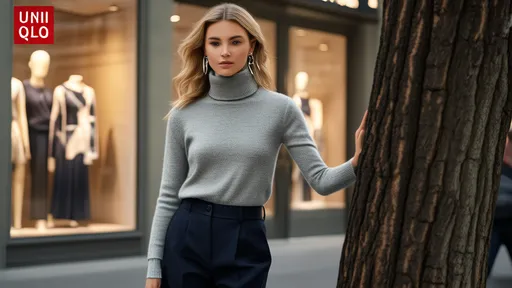
The journey began subtly. Long before the official title of ambassador was announced, Blanchett was frequently photographed off-duty in Uniqlo’s signature pieces—a perfectly tailored trench coat, a simple cashmere sweater, elegant wide-leg trousers. These were not paparazzi-staged moments but genuine sightings of her everyday style. Fashion critics and fans alike took note. Here was an actress, capable of carrying the most extravagant designer gowns with unparalleled grace, choosing instead a uniform of understated, high-quality basics. This authenticity was magnetic. It suggested that true style was not about the price tag or the label, but about confidence, fit, and a clarity of purpose.
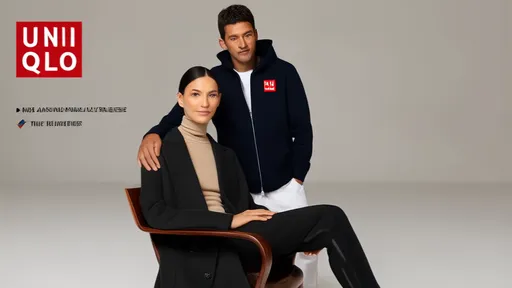
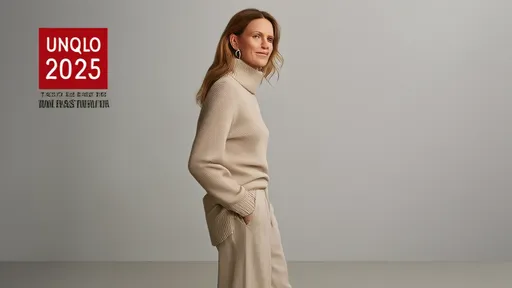
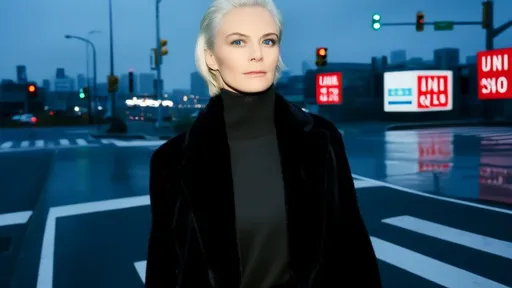
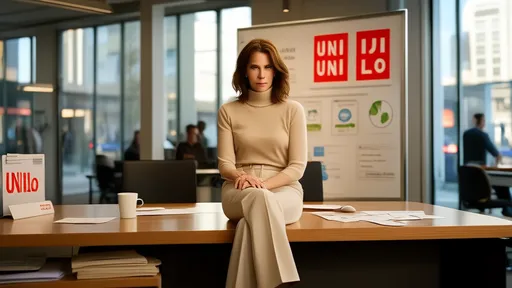
Her official role with the Japanese brand has since solidified this narrative. In advertisements and campaigns, she is not presented as a distant, unattainable goddess of fashion, but as a modern woman engaged with the world. The imagery is often clean, focused, and thoughtful, mirroring the ethos of LifeWear itself—clothing designed for everyday life that is simple, high-quality, and constantly evolving. Blanchett brings her formidable presence to these campaigns, not with dramatic theatrics, but with a quiet intensity that makes a simple beige jacket look like the most powerful item in one's wardrobe. She embodies the idea that these clothes are for people who do things, who think, who create; they are a tool for living, not a costume for display.
This alignment is a strategic masterstroke for Uniqlo, allowing them to tap into an aura of sophistication and ethical consumption that Blanchett radiates. For a brand known for its functional minimalism, her association provides a layer of artistic and intellectual credibility. She is the antithesis of a disposable fashion culture. Her longstanding advocacy for environmental causes and sustainability in the arts seamlessly dovetails with Uniqlo’s initiatives in recycling, garment innovation, and producing long-lasting clothing. She doesn't just wear the clothes; she advocates for the philosophy behind them. This transforms a commercial partnership into a cultural statement, elevating the perception of the brand to something more profound than mere commerce.
Furthermore, Blanchett’s foray into high-street fashion challenges the entrenched hierarchies of the industry. The red carpet has traditionally been a battleground for luxury fashion houses, a place where exclusivity is currency. By frequently choosing to wear and champion Uniqlo, both on and off the clock, Blanchett democratizes style. She sends a powerful message that elegance and sophistication are not the sole domain of custom-made, astronomically priced garments. This is a radical act in an industry built on aspiration and inaccessibility. It empowers the consumer, suggesting that they too can cultivate a timeless and intelligent wardrobe without capitulating to the relentless cycle of fast fashion or the exorbitant costs of luxury.
Of course, this is not to say she has abandoned high fashion altogether. Blanchett remains a muse for designers like Giorgio Armani and Alexander McQueen, often dazzling on red carpets in their creations. However, this duality is precisely what makes her influence so potent. She moves fluidly between these worlds, bestowing upon Uniqlo a level of prestige typically reserved for couture, while simultaneously bringing a touch of relatable practicality to the glamour of the red carpet. She proves that style is not monolithic; it is a versatile language, and she is fluent in all its dialects.
In essence, Cate Blanchett’s evolution from Oscar-winning actress to a paragon of Uniqlo’s aesthetic is a testament to her intelligence and cultural relevance. It is a carefully curated extension of her artistic persona. She has taken the credibility earned from a lifetime of esteemed performances and applied it to advocate for a more thoughtful, sustainable, and inclusive approach to how we dress. She is not just selling clothes; she is promoting an ideology. In a world saturated with influencers and fleeting trends, Blanchett stands as a beacon of substance. Her partnership with Uniqlo is more than a marketing campaign; it is a lesson in how to build a legacy that transcends a single industry, using influence to champion accessibility, sustainability, and the enduring power of simple, beautiful design.
By /Aug 22, 2025
By /Aug 22, 2025

By /Aug 22, 2025
By /Aug 22, 2025
By /Aug 22, 2025

By /Aug 22, 2025

By /Aug 22, 2025
By /Aug 22, 2025
By /Aug 22, 2025
By /Aug 22, 2025
By /Aug 22, 2025

By /Aug 22, 2025
By /Aug 22, 2025
By /Aug 22, 2025

By /Aug 22, 2025

By /Aug 22, 2025
By /Aug 22, 2025

By /Aug 22, 2025

By /Aug 22, 2025
By /Aug 22, 2025
