In a move that has sent ripples through the music industry, global superstar Bruno Mars has announced he will be stepping away from the spotlight to take an indefinite hiatus. The news broke via a heartfelt statement released by his management team early Tuesday morning, confirming that the multi-Grammy award-winning artist intends to pause his prolific career to focus on personal rejuvenation and creative refueling.
The announcement, while sudden to fans, was framed not as a farewell, but as a necessary intermission. The statement emphasized that this period of rest is crucial for artistic growth, suggesting that this is not an end but a promise of a more vibrant return. This philosophy of strategic retreat to advance is a concept often whispered about in creative circles but rarely acted upon by artists operating at the zenith of their commercial power. Mars, it seems, is prioritizing the longevity of his artistry over the relentless churn of the music machine.
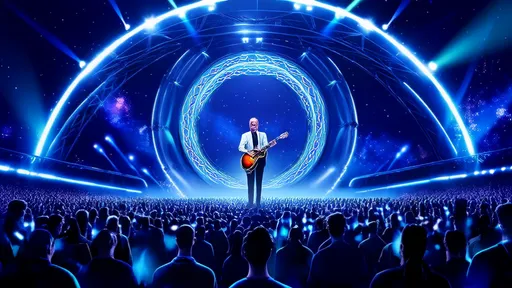
Bruno Mars's career has been nothing short of a meteoric ascent followed by a decade of sustained dominance. Since bursting onto the scene, he has crafted a discography that reads like a greatest hits compilation, seamlessly blending pop, R&B, funk, and soul into an infectious and universally appealing sound. His tours have sold out stadiums worldwide, his records have shattered streaming records, and his influence on the sound of contemporary pop is undeniable. The sheer pace of this output—constantly writing, recording, and performing at the highest level—is a marathon that demands immense physical, mental, and creative energy.
The toll of such a relentless schedule is often hidden behind the glamour of the stage lights. Insiders speak of the grueling nature of global tours, the pressure to consistently top the last album, and the loss of personal time that is essential for a well-lived life. For an artist like Mars, whose music is celebrated for its joy and authenticity, the risk of burnout is a very real threat to the very essence of his craft. This hiatus, therefore, can be seen as a preemptive strike against creative exhaustion. It is a conscious decision to step off the hamster wheel to ensure that the music, when it returns, is born from a place of genuine inspiration and not professional obligation.
Historically, the music industry has viewed hiatuses with a mixture of anxiety and skepticism. In an era defined by rapid content consumption and fleeting attention spans, the fear of being forgotten is palpable. Record labels and promoters often push artists to maintain a constant presence, feeding the algorithm with new releases and perpetual promotion. Mars's decision to actively resist this pressure is a powerful statement. It signals a shift in power, where the artist's well-being and the integrity of their art are becoming paramount, challenging the old industry model that often treated its stars as disposable commodities.
This is not the first time a major artist has chosen this path. The greats have often used retreat as a tool for renaissance. From David Bowie's transformative periods away from the public eye to Beyoncé's strategic gaps between monumental album releases, history shows that time away can be a catalyst for an artist's most groundbreaking work. These periods allow for reflection, experimentation without scrutiny, and the absorption of new influences. Mars, a known student of music history, is likely following in this tradition, understanding that true innovation rarely happens under the glaring spotlight of constant expectation.
The reaction from fans, collectively known as the "Hooligans," has been a testament to the deep connection Mars has forged with his audience. While initial responses were tinged with shock and sadness, the overarching sentiment has been one of overwhelming support and understanding. Social media platforms have been flooded with messages using hashtags like #SeeYouSoonBruno, expressing gratitude for his music and respect for his decision to prioritize his health. This mature and empathetic response highlights a evolving relationship between artists and fans in the digital age, one built on mutual respect rather than mere consumption.
So, what does the future hold? The statement was deliberately vague on timelines, offering no projected date for a return. This ambiguity is likely intentional, freeing Mars from any external deadlines. Speculation is already rampant about what a "recharged" Bruno Mars might sound like. Will he delve deeper into the retro-funk of his later albums? Might he explore entirely new genres? Or perhaps he will return with a more intimate, stripped-back sound reflective of his time away? The possibilities are endless, and the anticipation for his next chapter, whenever it may arrive, will only build during his absence.
In conclusion, Bruno Mars's announcement is far more than a simple news item about a celebrity taking a break. It is a nuanced narrative about the modern creative process. It is a story about an artist at the top of his game choosing to value the quality of his work and the sustainability of his passion over immediate commercial gains. This hiatus is not a full stop; it is an ellipsis. It is a breath held in anticipation of the next incredible verse. The stage lights may dim for now, but they will undoubtedly ignite once more, and when they do, the world will be listening, ready for the next chapter in the extraordinary career of Bruno Mars.

By /Aug 22, 2025
By /Aug 22, 2025
By /Aug 22, 2025

By /Aug 22, 2025

By /Aug 22, 2025
By /Aug 22, 2025
By /Aug 22, 2025
By /Aug 22, 2025

By /Aug 22, 2025

By /Aug 22, 2025
By /Aug 22, 2025

By /Aug 22, 2025
By /Aug 22, 2025
By /Aug 22, 2025
By /Aug 22, 2025
By /Aug 22, 2025
By /Aug 22, 2025
By /Aug 22, 2025
By /Aug 22, 2025
By /Aug 22, 2025
